
 EN
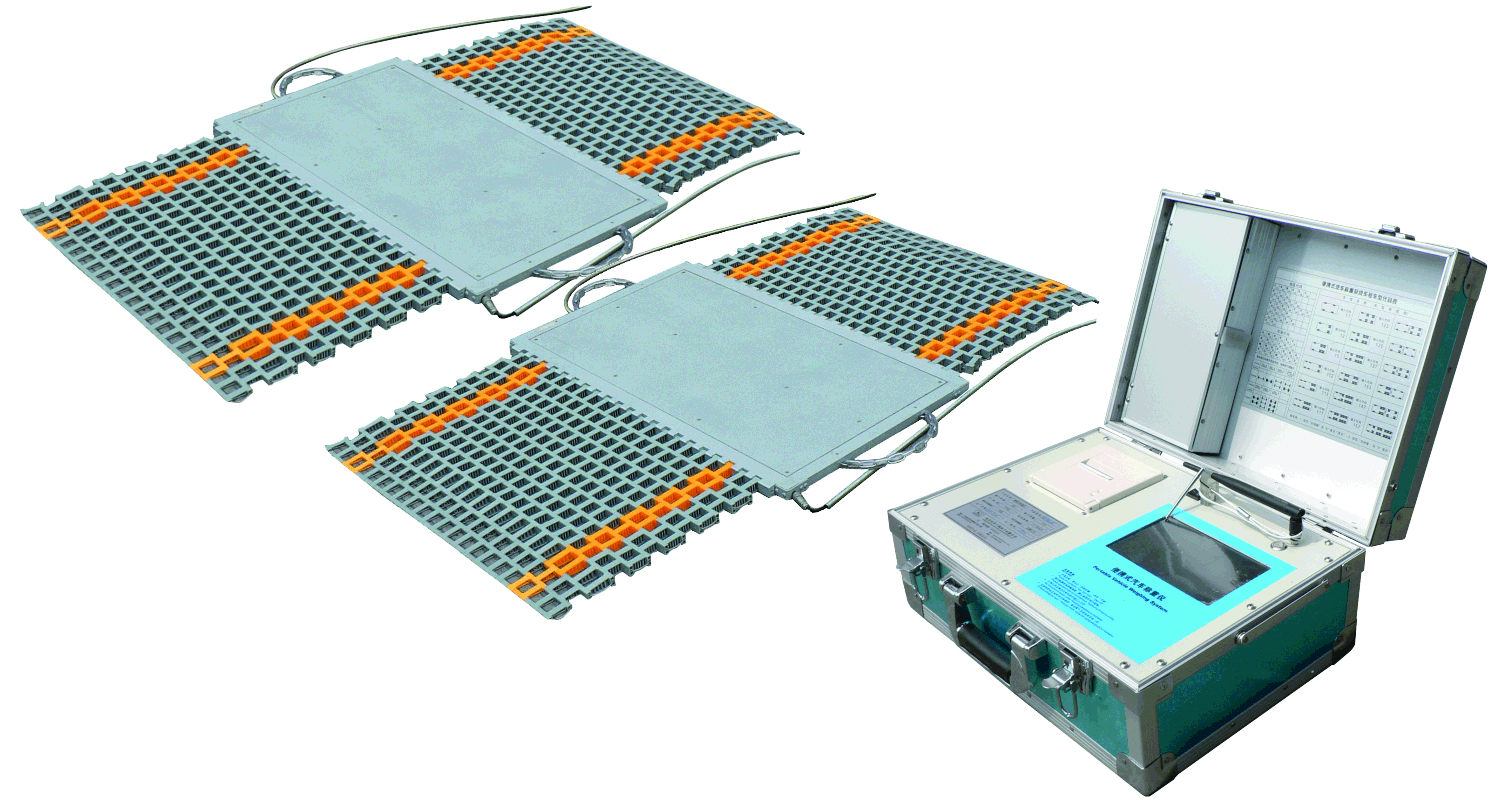
Industrial weighing applications demand precision, reliability, and real-time visibility into measurement data. A weighing indicator serves as the critical interface between your weighing scales and operational decision-making, translating raw sensor data into actionable information. Whether you're managing inventory in a warehouse, controlling batch processes in manufacturing, or ensuring compliance in food production, the right weighing indicator directly impacts accuracy, productivity, and cost control. Understanding how weighing indicators function and integrate into your operations is essential for optimizing your industrial weighing workflow.
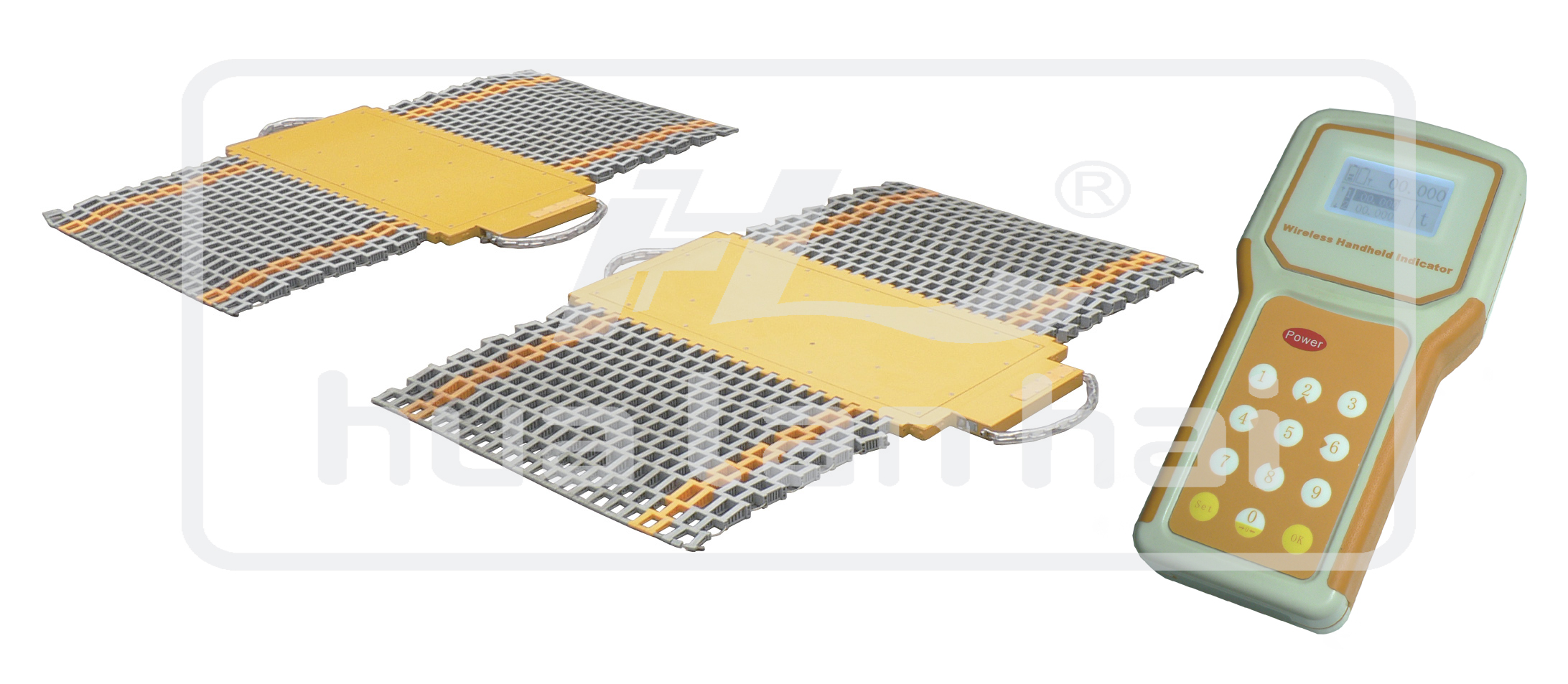
A weighing indicator transforms the analog signals from load cells and scales into digital readouts that operators, supervisors, and automated systems can interpret instantly. Modern weighing indicators offer far more than simple display functions—they provide data logging, multi-scale integration, alarms, and communication protocols that link your weighing systems to broader plant networks. This integration capability makes weighing indicators indispensable for operations where accuracy compliance, speed, and traceability are non-negotiable requirements. The choice of weighing indicator significantly affects how efficiently your entire industrial weighing application performs.
Core Functions of a Weighing Indicator in Industrial Settings
Real-Time Data Display and Signal Processing
The primary role of a weighing indicator is to capture analog signals from load cells and convert them into precise, readable weight measurements. A weighing indicator processes these signals with high-speed analog-to-digital converters, filtering out noise and environmental interference that could compromise accuracy. Industrial environments often introduce vibration, temperature fluctuation, and electromagnetic interference—factors that could distort raw measurements. A quality weighing indicator applies advanced signal conditioning and filtering algorithms to ensure stable, trustworthy readings. This signal processing capability is what separates a basic weighing indicator from one capable of supporting demanding applications in harsh manufacturing or logistics environments.
Data Logging and Historical Record Keeping
Many modern weighing indicator systems feature built-in data logging that records weight measurements over time, creating an audit trail critical for compliance and quality assurance. When regulatory bodies require documented proof of material quantities or batch composition, a weighing indicator with logging capability becomes your compliance foundation. Industrial sectors such as pharmaceuticals, food safety, and chemical production depend on this historical record-keeping feature. The weighing indicator stores data either internally or transmits it to networked databases, allowing supervisors and quality teams to review past transactions, investigate discrepancies, and demonstrate adherence to standards. This documentation capability transforms a weighing indicator from a simple display tool into a compliance enabler.
Integration Capabilities That Enhance Operational Efficiency
Multi-Scale and Multi-Platform Connectivity
Advanced weighing indicator systems can simultaneously manage measurements from multiple scales and load cells, consolidating data into a single interface. In large-scale operations—such as receiving docks, blend stations, or production line checkpoints—a single weighing indicator can monitor numerous measurement points, dramatically reducing equipment cost and complexity. Connectivity options like Modbus, Profibus, Ethernet, and serial protocols allow your weighing indicator to communicate with programmable logic controllers (PLCs), supervisory control and data acquisition (SCADA) systems, and enterprise resource planning (ERP) software. This integration means your weighing indicator becomes part of a larger automation ecosystem, feeding weight data directly into process control loops without manual intervention or transcription errors.
Alarm and Alert Functions for Process Control
A weighing indicator equipped with configurable alarm thresholds can automatically trigger alerts when measurements fall outside acceptable ranges. If a batch should weigh between 1000 and 1020 kilograms, the weighing indicator can sound an alarm or send a digital signal the moment weight deviates from this band. This real-time alerting capability prevents overages, underages, and material waste—critical considerations in high-volume production. Some weighing indicator models support multiple alarm levels, allowing operators to distinguish between warning conditions and critical errors. The ability to respond instantly to out-of-spec conditions gives your industrial weighing application the responsiveness needed for maintaining consistency and reducing scrap.
Choosing the Right Weighing Indicator for Your Application
Accuracy Class and Environmental Considerations
Different industrial environments demand different performance standards from a weighing indicator. In a precision pharmaceutical weighing station, you may require a weighing indicator certified to the highest metrological classes—such as Class A or Class B under local standards. Conversely, a rough-duty logistics environment might accept a more robust but less precise weighing indicator, provided it maintains adequate accuracy for billing purposes. Temperature stability is another critical factor; a weighing indicator used near furnaces, ovens, or refrigerated areas must compensate for thermal drift. When selecting a weighing indicator, assess the environmental stressors—dust, moisture, vibration, temperature range—and choose equipment rated for those conditions to ensure long-term reliability and consistent accuracy.
Display Resolution and User Interface Design
The effectiveness of a weighing indicator depends partly on how easily operators can read and interpret the display. High-resolution digital displays, large numeric fonts, and intuitive menu navigation reduce operator error and improve workflow speed. Some weighing indicators offer color-coded displays that change from green to yellow to red as measurements approach alarm thresholds, providing instant visual feedback without requiring operators to read numbers precisely. Touch-screen interfaces on modern weighing indicator units simplify configuration and calibration tasks compared to older button-and-knob designs. Consider the age range and technical background of your operators when selecting a weighing indicator—user-friendly design directly correlates with fewer mistakes and faster training times.
Practical Benefits of Modern Weighing Indicator Technology
Cost Reduction Through Improved Accuracy and Speed
Accurate weighing reduces material giveaway—the practice of adding extra material to ensure minimum weight compliance. A reliable weighing indicator allows you to fill precisely to specification, recapturing material costs that would otherwise be lost to overages. In high-volume operations, even small improvements in accuracy per unit multiply into significant savings across millions of transactions. Additionally, a weighing indicator that integrates with automated systems accelerates transaction cycles, reducing labor and cycle time. Faster throughput means more shipments processed per day, better cash flow, and improved customer service levels. The operational efficiency gains from modern weighing indicator technology often justify equipment investment within one to two years through material and labor savings alone.
Compliance and Traceability in Regulated Industries
Regulatory bodies worldwide—whether the FDA in pharmaceuticals, USDA in food processing, or ISO in manufacturing—demand documented evidence that materials were weighed accurately and consistently. A weighing indicator that logs data, timestamps transactions, and provides audit trails directly satisfies these compliance requirements. By automating data capture through a weighing indicator, you eliminate manual recording errors and disputes about whether measurements were actually taken. Customers and auditors can review the weighing indicator's records to verify that their purchases met stated specifications. In industries where liability and regulatory fines are substantial, a weighing indicator system that provides complete traceability is not an optional feature—it is a legal necessity.
FAQ
What is the main difference between a weighing indicator and a simple bathroom scale display?
An industrial weighing indicator is engineered for precision, stability, and integration into automated systems, whereas a bathroom scale display is designed only for basic consumer-level feedback. A weighing indicator typically meets formal metrological standards, offers data logging, supports multiple load cells, includes alarm functions, and connects to industrial networks. These features allow a weighing indicator to function reliably in harsh environments and tie directly into process control systems. A bathroom scale display lacks these capabilities and would fail quickly in industrial applications demanding accuracy verification and automated documentation.
Can a weighing indicator work with any type of load cell or scale?
Most modern weighing indicator systems are designed to work with standard load cell types—strain gauge cells, compression cells, and tension cells—as long as electrical specifications are matched. However, compatibility depends on signal type, impedance, and connector standards. When selecting a weighing indicator, confirm that it supports the specific load cell or scale model you plan to use, or ensure load cells and weighing indicator are purchased together as a compatible system. Mixing incompatible components can result in signal errors, calibration drift, and unreliable measurements. Always verify electrical specifications and communication protocols before integration.
How often should a weighing indicator be calibrated?
Calibration frequency for a weighing indicator depends on regulatory requirements, frequency of use, and environmental conditions. Most industrial standards recommend calibration annually or whenever a weighing indicator is relocated or experiences a significant shock or temperature change. High-use environments—such as busy receiving docks or blending stations—may require more frequent calibration every six months. Some operations perform daily verification checks using certified test weights, then conduct formal calibration quarterly or annually. Always consult your industry's regulatory standards and your weighing indicator manufacturer's recommendations to establish a calibration schedule that ensures ongoing compliance and measurement accuracy.