
 EN
EN
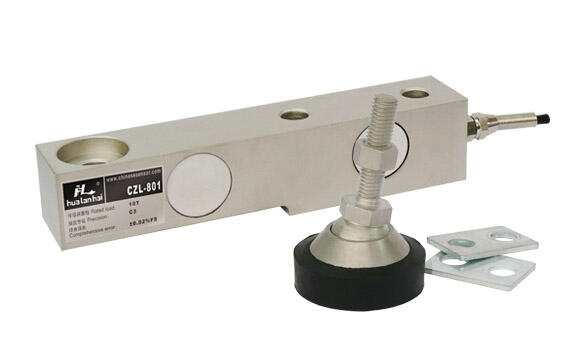
Manufacturing quality control has evolved dramatically in recent years, with precision measurement technologies playing an increasingly critical role in ensuring product excellence. Among these advanced technologies, the force sensor stands out as a fundamental component that enables manufacturers to monitor, measure, and optimize production processes with unprecedented accuracy. Modern industrial environments demand consistent quality standards, and integrating sophisticated measurement systems has become essential for maintaining competitive advantages while reducing defective products and operational costs.
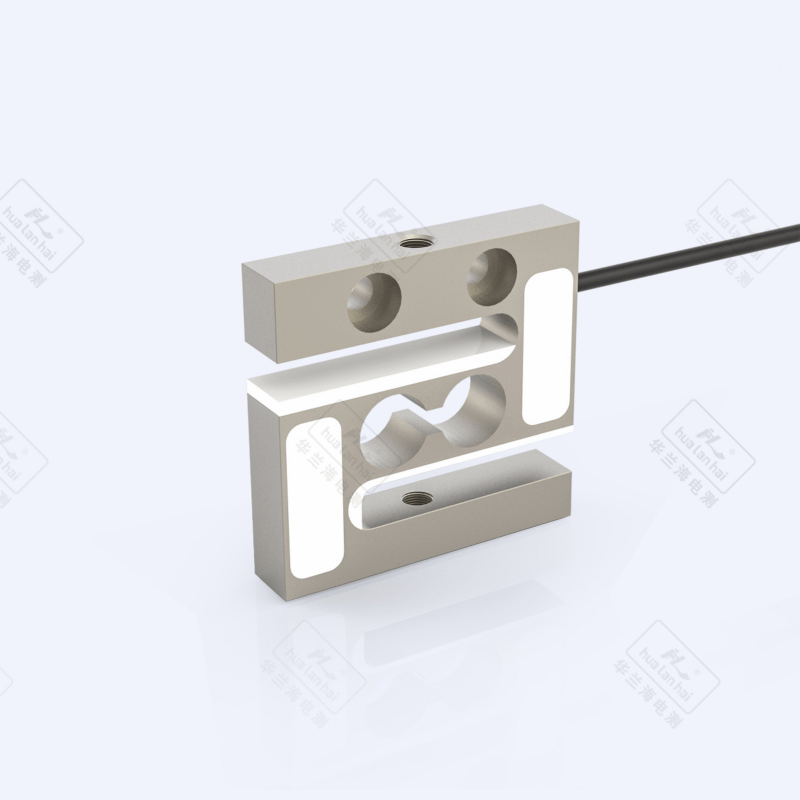
The implementation of force measurement technology in manufacturing environments creates opportunities for real-time quality assessment, predictive maintenance, and process optimization. Manufacturing facilities that incorporate these measurement systems report significant improvements in product consistency, reduced waste generation, and enhanced operational efficiency. Understanding how force sensors contribute to quality control processes enables manufacturers to make informed decisions about technology integration and process improvements.
Understanding Force Sensor Technology in Manufacturing
Basic Principles of Force Measurement
Force sensors operate on fundamental principles that convert mechanical forces into measurable electrical signals, enabling precise quantification of applied loads during manufacturing processes. These devices utilize strain gauge technology, piezoelectric elements, or capacitive sensing mechanisms to detect force variations and transmit corresponding data to control systems. The accuracy and reliability of force sensor measurements depend on proper calibration, environmental considerations, and appropriate sensor selection based on specific application requirements.
Manufacturing applications require force sensors capable of withstanding harsh industrial environments while maintaining measurement precision across extended operating periods. Temperature variations, vibration exposure, and electromagnetic interference present challenges that modern force sensors must overcome through robust design features and advanced signal processing capabilities. Proper understanding of these operational parameters ensures successful integration and long-term performance reliability.
Types of Force Sensors for Manufacturing Applications
Different manufacturing processes require specialized force sensor configurations designed to accommodate specific measurement ranges, accuracy requirements, and environmental conditions. Compression force sensors excel in applications involving pressing operations, assembly processes, and material testing procedures. Tension force sensors provide accurate measurements for pulling operations, cable tension monitoring, and material handling systems where consistent force application is critical.
Multi-axis force sensors offer comprehensive measurement capabilities by simultaneously detecting forces along multiple directions, enabling complex quality control assessments in advanced manufacturing environments. These sophisticated devices provide detailed force profiles that help manufacturers understand process dynamics and identify potential quality issues before they impact final product specifications. Selection criteria include measurement range, resolution requirements, response time, and integration compatibility with existing control systems.
Applications in Assembly Line Quality Control
Press-Fit Operations and Component Assembly
Press-fit operations represent one of the most critical applications where force sensors significantly impact manufacturing quality control. These operations require precise force application to ensure proper component mating without causing damage to delicate parts or creating inadequate connections. Force sensors monitor the entire press cycle, detecting anomalies such as insufficient insertion force, excessive resistance, or improper component alignment that could compromise product integrity.
Real-time force monitoring during assembly operations enables immediate detection of process variations that might indicate component defects, tooling wear, or setup problems. Manufacturing teams can establish force signature profiles for acceptable assemblies and use these references to identify deviations that require corrective action. This proactive approach reduces defective products reaching customers and minimizes costly rework procedures.
Automated Testing and Validation Processes
Automated testing stations equipped with force sensors provide consistent, repeatable quality validation procedures that eliminate human variability and improve testing accuracy. These systems can perform compression tests, pull tests, and complex force sequence validations that ensure products meet specified performance criteria. Integration with production line control systems enables automatic sorting of conforming and non-conforming products based on force measurement results.
Statistical process control becomes more effective when supported by accurate force measurement data collected throughout production cycles. Manufacturers can analyze force trends, identify process drift, and implement corrective actions before quality issues become widespread. This data-driven approach to quality control significantly improves overall production efficiency and product reliability.
Material Testing and Characterization
Raw Material Qualification Procedures
Incoming raw material quality verification processes benefit significantly from force sensor integration, enabling manufacturers to confirm material properties before processing begins. Tensile strength testing, compression testing, and material consistency evaluations provide essential data for determining material suitability and predicting final product performance characteristics. These preliminary assessments help prevent quality issues that originate from substandard raw materials.
Force sensors enable automated material testing procedures that reduce testing time while improving measurement accuracy and repeatability. Manufacturers can establish material acceptance criteria based on force measurement parameters and automatically reject materials that fail to meet specifications. This systematic approach to material qualification reduces production disruptions and ensures consistent product quality across all manufacturing batches.
In-Process Material Property Monitoring
Manufacturing processes that involve material transformation, such as forming operations, heat treatment, or chemical processing, benefit from continuous material property monitoring using force sensor technology. These measurements provide real-time feedback about material behavior during processing, enabling process adjustments that maintain optimal product characteristics. Understanding material response to processing conditions helps manufacturers optimize parameters for improved quality and reduced waste.
Process validation becomes more comprehensive when supported by detailed force measurement data that documents material behavior throughout manufacturing sequences. This information supports process improvement initiatives, troubleshooting activities, and validation of process changes that could affect product quality. Manufacturers can develop process fingerprints that serve as references for identifying process variations that require attention.
Precision Machining and Tool Monitoring
Cutting Force Analysis and Tool Wear Detection
Precision machining operations require careful monitoring of cutting forces to maintain dimensional accuracy, surface finish quality, and tool life optimization. Force sensors integrated into machining systems provide real-time feedback about cutting conditions, enabling detection of tool wear progression, workpiece material variations, and setup problems that could compromise machining quality. This information supports predictive maintenance programs and process optimization initiatives.
Tool wear progression creates characteristic changes in cutting force patterns that experienced operators and automated systems can recognize through force sensor data analysis. Early detection of tool wear enables planned tool changes before quality issues develop, reducing scrap generation and maintaining consistent machining performance. Force monitoring systems can automatically alert operators when cutting forces exceed predetermined limits or exhibit patterns indicating tool condition changes.
Workholding and Clamping Force Optimization
Proper workholding during machining operations requires precise clamping force application to secure workpieces without causing distortion or damage. Force sensors monitor clamping systems to ensure adequate workpiece retention while preventing excessive forces that could affect dimensional accuracy or create stress concentrations. This balance is particularly critical for thin-walled components or parts with complex geometries that are sensitive to clamping disturbances.
Automated clamping systems equipped with force sensors provide consistent, repeatable workholding conditions that eliminate operator variability and improve machining accuracy. These systems can adjust clamping forces based on workpiece characteristics, machining parameters, and process requirements to optimize holding conditions for each specific application. Documentation of clamping forces supports process validation and troubleshooting activities when quality issues arise.
Integration with Manufacturing Control Systems
Data Collection and Analysis Capabilities
Modern manufacturing environments require sophisticated data collection systems that integrate force sensor measurements with other process parameters to provide comprehensive quality monitoring capabilities. These systems collect, store, and analyze force data alongside temperature, pressure, position, and timing information to create detailed process signatures that characterize normal operation and identify potential quality issues. Advanced analytics enable predictive quality control that prevents defects before they occur.
Cloud-based data management platforms enable manufacturers to analyze force sensor data across multiple production lines, facilities, and time periods to identify trends and optimization opportunities. Machine learning algorithms can process large datasets to recognize patterns that human operators might miss, providing insights that support continuous improvement initiatives. This data-driven approach to quality control enables more effective decision-making and process optimization.
Real-Time Process Control and Feedback
Integration of force sensor systems with programmable logic controllers and industrial automation platforms enables real-time process control that responds immediately to force measurement variations. These systems can automatically adjust process parameters, trigger alarms, or halt production when force measurements indicate potential quality issues. Rapid response capabilities prevent the production of defective products and minimize the impact of process variations on overall quality.
Closed-loop control systems that incorporate force sensor feedback provide enhanced process stability and reduced variability compared to open-loop operations. These systems continuously monitor force conditions and make automatic adjustments to maintain optimal processing parameters regardless of external disturbances or gradual changes in equipment condition. This level of process control significantly improves product consistency and reduces quality-related production losses.
Benefits and Return on Investment
Quality Improvement and Defect Reduction
Manufacturing facilities that implement comprehensive force sensor monitoring systems typically experience significant reductions in defect rates and quality-related costs. Early detection of process variations enables corrective action before defective products are produced, reducing scrap generation and rework requirements. Improved process understanding through force measurement data analysis leads to better process control and more consistent product quality across all production runs.
Customer satisfaction improvements result from enhanced product quality and reliability achieved through effective force sensor implementation. Reduced field failures and warranty claims provide tangible financial benefits that often justify the initial investment in force measurement technology. These quality improvements also support premium pricing strategies and enhanced market positioning for manufacturers who demonstrate superior product quality.
Operational Efficiency and Cost Reduction
Force sensor systems contribute to operational efficiency improvements through reduced downtime, optimized maintenance schedules, and improved process throughput. Predictive maintenance capabilities enabled by force monitoring reduce unplanned equipment failures and extend equipment life through better understanding of operating conditions. These efficiency gains translate to reduced production costs and improved profitability for manufacturing operations.
Labor cost reductions result from automated quality control processes that reduce manual inspection requirements and eliminate subjective quality assessments. Force sensor systems provide objective, quantifiable quality measurements that support consistent quality decisions regardless of operator experience or shift variations. This automation also enables manufacturers to reallocate skilled personnel to higher-value activities that support business growth and innovation.
Implementation Considerations and Best Practices
System Design and Installation Requirements
Successful force sensor implementation requires careful consideration of installation requirements, environmental conditions, and system integration challenges. Proper mounting techniques ensure accurate force transmission and prevent measurement errors caused by side loads, misalignment, or thermal effects. Environmental protection measures shield force sensors from contamination, temperature extremes, and mechanical damage that could compromise measurement accuracy or system reliability.
Calibration procedures and maintenance schedules must be established to ensure long-term measurement accuracy and system performance. Regular calibration verification using certified reference standards maintains measurement traceability and supports quality system requirements. Preventive maintenance programs help identify potential issues before they affect production quality or system availability.
Training and Change Management
Operator training programs ensure effective utilization of force sensor systems and proper response to measurement data and system alarms. Understanding force measurement principles, system capabilities, and troubleshooting procedures enables production personnel to maximize the benefits of force sensor technology. Comprehensive training also reduces the risk of improper system operation that could compromise measurement accuracy or system reliability.
Change management processes help organizations adapt to new quality control procedures and measurement-based decision making enabled by force sensor implementation. Clear communication about system benefits, operational procedures, and expected outcomes facilitates smooth technology adoption and ensures stakeholder support. Continuous improvement processes that incorporate force sensor data analysis help organizations realize the full potential of their investment in measurement technology.
FAQ
What types of manufacturing processes benefit most from force sensor integration?
Force sensors provide the greatest benefits in manufacturing processes that involve assembly operations, material forming, machining, testing, and quality validation procedures. Press-fit assembly, component insertion, material testing, cutting operations, and clamping applications are particularly well-suited for force sensor integration. These processes require precise force control or monitoring to ensure product quality and process consistency.
How do force sensors improve manufacturing efficiency beyond quality control?
Force sensors contribute to manufacturing efficiency through predictive maintenance capabilities, process optimization, reduced setup times, and automated quality decisions. By monitoring equipment condition through force measurements, manufacturers can schedule maintenance activities proactively and avoid unplanned downtime. Process optimization based on force data analysis leads to improved throughput and reduced cycle times while maintaining quality standards.
What are the key considerations for selecting appropriate force sensors for manufacturing applications?
Force sensor selection should consider measurement range requirements, accuracy specifications, environmental conditions, response time needs, and integration compatibility with existing systems. Installation space constraints, mounting requirements, and calibration procedures also influence sensor selection. Working with experienced force sensor suppliers helps ensure proper sensor specification and successful implementation in manufacturing environments.
How do force sensors integrate with existing manufacturing control systems?
Modern force sensors provide various output signals and communication protocols that enable integration with programmable logic controllers, data acquisition systems, and industrial networks. Analog outputs, digital communications, and fieldbus connectivity options support integration with most manufacturing control architectures. Proper system design ensures reliable data transmission and real-time process control capabilities that maximize the benefits of force sensor implementation.
Table of Contents
- Understanding Force Sensor Technology in Manufacturing
- Applications in Assembly Line Quality Control
- Material Testing and Characterization
- Precision Machining and Tool Monitoring
- Integration with Manufacturing Control Systems
- Benefits and Return on Investment
- Implementation Considerations and Best Practices
-
FAQ
- What types of manufacturing processes benefit most from force sensor integration?
- How do force sensors improve manufacturing efficiency beyond quality control?
- What are the key considerations for selecting appropriate force sensors for manufacturing applications?
- How do force sensors integrate with existing manufacturing control systems?