
 EN
EN
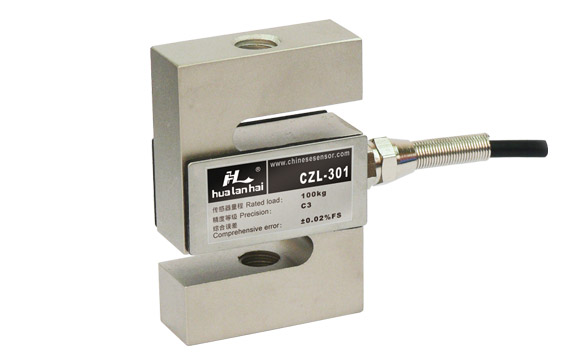
The question of where a force sensor delivers its best measurement performance is not merely academic—it directly impacts production quality, equipment longevity, and operational safety across industrial environments. A force sensor's effectiveness depends on understanding the specific application context, environmental conditions, and measurement requirements that define success in your operation. The right force sensor placement and selection can transform raw data into actionable insights that prevent costly failures and optimize process control.
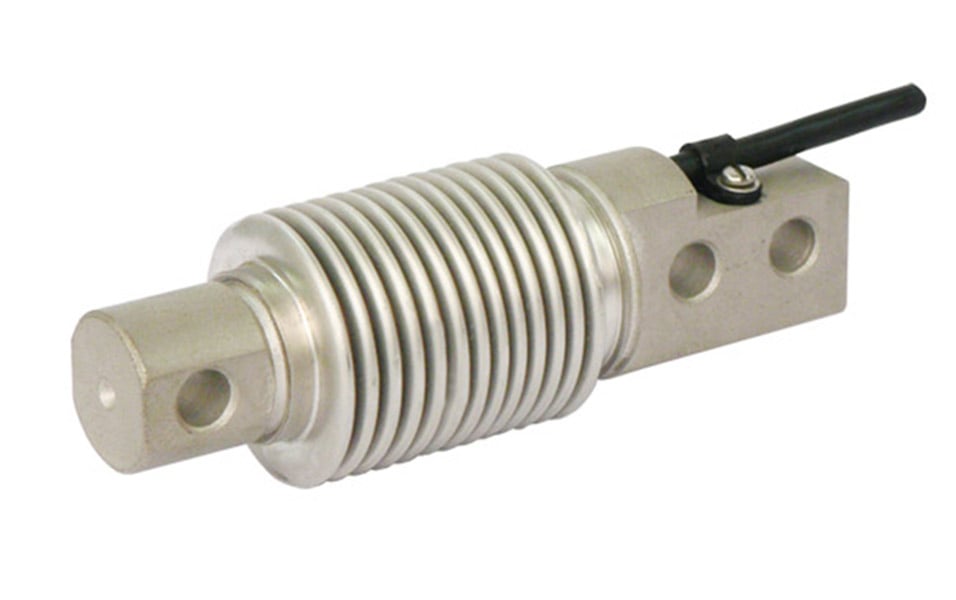
When evaluating where a force sensor performs optimally, consider that measurement performance encompasses accuracy, repeatability, response time, and long-term stability under real operating conditions. Industrial applications range from load monitoring in compression systems to tension measurement in material handling, and each demands specific force sensor characteristics. Understanding the environments where force sensors excel helps manufacturers, engineers, and operations teams make informed decisions that align sensor technology with actual process demands.
Optimal Environments for Force Sensor Performance
Temperature-Controlled Manufacturing Settings
A force sensor achieves peak measurement performance in environments where temperature remains relatively stable and within manufacturer specifications. Most industrial force sensor units operate accurately between 0°C and 50°C, though specialized variants handle wider ranges. Manufacturing facilities with climate-controlled assembly areas, precision machining centers, and laboratory testing environments provide ideal conditions where a force sensor can maintain calibration stability and minimize thermal drift errors that compromise measurement accuracy.
In these controlled settings, a force sensor's output remains linear and predictable throughout extended production runs. Quality assurance departments leverage this stability when a force sensor is deployed for component testing, material properties verification, and assembly force monitoring. The consistency of measurement data allows operators to establish tight process tolerances and detect anomalies with confidence, making temperature-controlled environments where a force sensor demonstrates exceptional reliability.
Stationary Installation Applications
Stationary mounting represents another critical environment where a force sensor delivers superior measurement performance compared to portable or mobile applications. When a force sensor is permanently integrated into production equipment—such as hydraulic press load cells, tension frames, or structural monitoring systems—the sensor experiences minimal vibration interference and mechanical shock. This stability allows a force sensor to accumulate precise baseline measurements and detect subtle process variations that might indicate equipment wear or component degradation.
Examples of stationary deployment where a force sensor excels include compression testing machines, injection molding systems, and conveyor belt tension monitoring. In these installations, a force sensor can be calibrated once and maintained at peak performance for months or years without recalibration. The integration of a force sensor into fixed infrastructure eliminates dynamic movement that introduces measurement noise, enabling the sensor to capture data with accuracy levels that portable measurement solutions cannot match.
Application-Specific Performance Zones
Tension and Compression Measurement in Controlled Loads
A force sensor demonstrates outstanding measurement performance when applied to applications involving controlled, steady-state loads rather than sudden impact or shock conditions. Material tensioning systems, rigging load monitoring, and compression testing all represent scenarios where a force sensor can operate within predictable force ranges. When the magnitude and duration of applied forces remain relatively consistent, a force sensor's internal electronics and measurement circuitry respond linearly, producing data that engineers and operators can trust for process decisions and safety assessments.
Laboratories conducting material testing, manufacturers monitoring press tonnage, and heavy equipment operators tracking rigging loads all benefit from deploying a force sensor in these controlled environments. The force sensor technology excels when the application profile matches its design parameters, delivering repeatability coefficients below one percent and long-term stability that supports regulatory compliance and quality documentation requirements.
Real-Time Process Monitoring and Feedback Control
Modern manufacturing systems benefit significantly when a force sensor is integrated into feedback control loops that automatically adjust process parameters based on real-time measurements. A force sensor delivers exceptional performance in these dynamic applications because its fast response time—typically 2 to 5 milliseconds—allows control algorithms to react to changing load conditions with minimal lag. Assembly operations, robotic force compliance applications, and adaptive manufacturing processes all rely on a force sensor's ability to provide immediate measurement updates that inform millisecond-level equipment adjustments.
When a force sensor is deployed in servo-controlled systems, electrical injection molding machines, and precision robotic applications, its measurement performance directly correlates with product quality and consistency. The sensor's output becomes the basis for real-time corrections that prevent over-force conditions, material damage, and equipment strain. In these feedback scenarios, a force sensor operates in its performance sweet spot, where measurement speed and accuracy combine to enable process optimization that would be impossible with intermittent manual checking.
Environmental and Operational Boundaries
Humidity and Contamination Considerations
While a force sensor performs well in controlled environments, its measurement performance can degrade in high-humidity, wet, or chemically aggressive settings unless the sensor features appropriate sealing and material compatibility. A force sensor with IP67 or IP68 protection ratings maintains measurement accuracy in washdown environments and facilities where moisture ingress poses a risk. Stainless steel construction becomes essential when a force sensor operates in food processing, pharmaceutical, or chemical manufacturing applications where corrosion exposure threatens sensor longevity and measurement reliability.
The interface between mounting hardware and a force sensor also influences performance in humid conditions. Proper strain relief design and sealed connectors prevent moisture migration into electronics, preserving the measurement accuracy that makes a force sensor valuable. Selecting appropriate sensor variants—such as sealed units for wet environments—ensures that where a force sensor is deployed, environmental factors enhance rather than compromise performance outcomes.
Vibration and Shock Isolation Requirements
A force sensor's measurement performance degrades when subjected to continuous high-frequency vibration or repeated mechanical shock from nearby equipment or process operations. While stationary installations provide inherent vibration isolation, applications near punch presses, impact machinery, or high-speed rotating equipment require deliberate isolation measures to protect a force sensor from unwanted acceleration signals. Mounting plates with elastomeric isolation elements allow a force sensor to distinguish genuine load changes from environmental vibration, maintaining signal clarity and measurement fidelity.
Applications involving drop-test equipment, shock machine testing, or transportation monitoring present scenarios where a force sensor must be ruggedized or specifically rated for mechanical trauma. Standard general-purpose force sensors typically cannot sustain measurement performance through sustained mechanical shock, but specialized industrial-grade units with enhanced compliance and overload protection excel in these demanding environments. Understanding application-specific shock and vibration profiles ensures that a force sensor selected for deployment performs reliably without premature failure or calibration drift.
FAQ
What factors determine where a force sensor will deliver optimal measurement performance?
Optimal force sensor measurement performance depends on temperature stability, environmental cleanliness, vibration isolation, appropriate load range matching, and stationary mounting infrastructure. A force sensor performs best when installed in temperature-controlled environments between 0°C and 50°C, protected from high humidity or chemical exposure, and mounted to minimize vibration coupling from surrounding equipment. Application-specific factors such as steady-state versus dynamic loading, required response speed, and measurement accuracy requirements also determine where a force sensor will function at peak performance levels.
Can a force sensor maintain measurement performance in harsh industrial environments?
Yes, specialized industrial-grade force sensors can maintain excellent measurement performance in harsh environments when properly specified and protected. A force sensor with stainless steel construction, sealed connectors, and appropriate IP protection ratings performs reliably in wet, high-humidity, or chemically aggressive settings. However, the force sensor must be specifically selected for the environmental challenges present; standard laboratory-grade sensors may not withstand harsh conditions. Protective measures such as environmental housings, vibration isolation mounts, and certified sealing enhance where a force sensor can be reliably deployed without performance degradation.
How does a force sensor's response time affect measurement performance in automated control applications?
A force sensor's fast response time—typically 2 to 5 milliseconds—is critical for automated feedback control systems where real-time load adjustments prevent equipment damage and ensure product quality. In servo-controlled manufacturing, robotic assembly, and adaptive processing applications, the force sensor must update measurements quickly enough that control algorithms can respond without lag. Slower-response sensors introduce measurement delay that compromises closed-loop control effectiveness, whereas fast-response force sensors deliver the performance necessary for millisecond-level process corrections that maintain precision and prevent material or equipment damage.