
 EN
EN
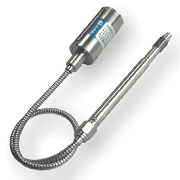
High-accuracy pressure sensors have become fundamental to modern industrial operations, providing real-time monitoring and control across diverse applications. A pressure sensor measures fluid or gas pressure and converts it into an electrical signal that industrial systems can process and act upon. In today's competitive manufacturing landscape, the role of the pressure sensor extends far beyond simple measurement—it directly impacts product quality, operational safety, and regulatory compliance. Understanding the breadth of industrial applications where pressure sensors excel helps engineers and facility managers make informed decisions about equipment investment and process optimization.
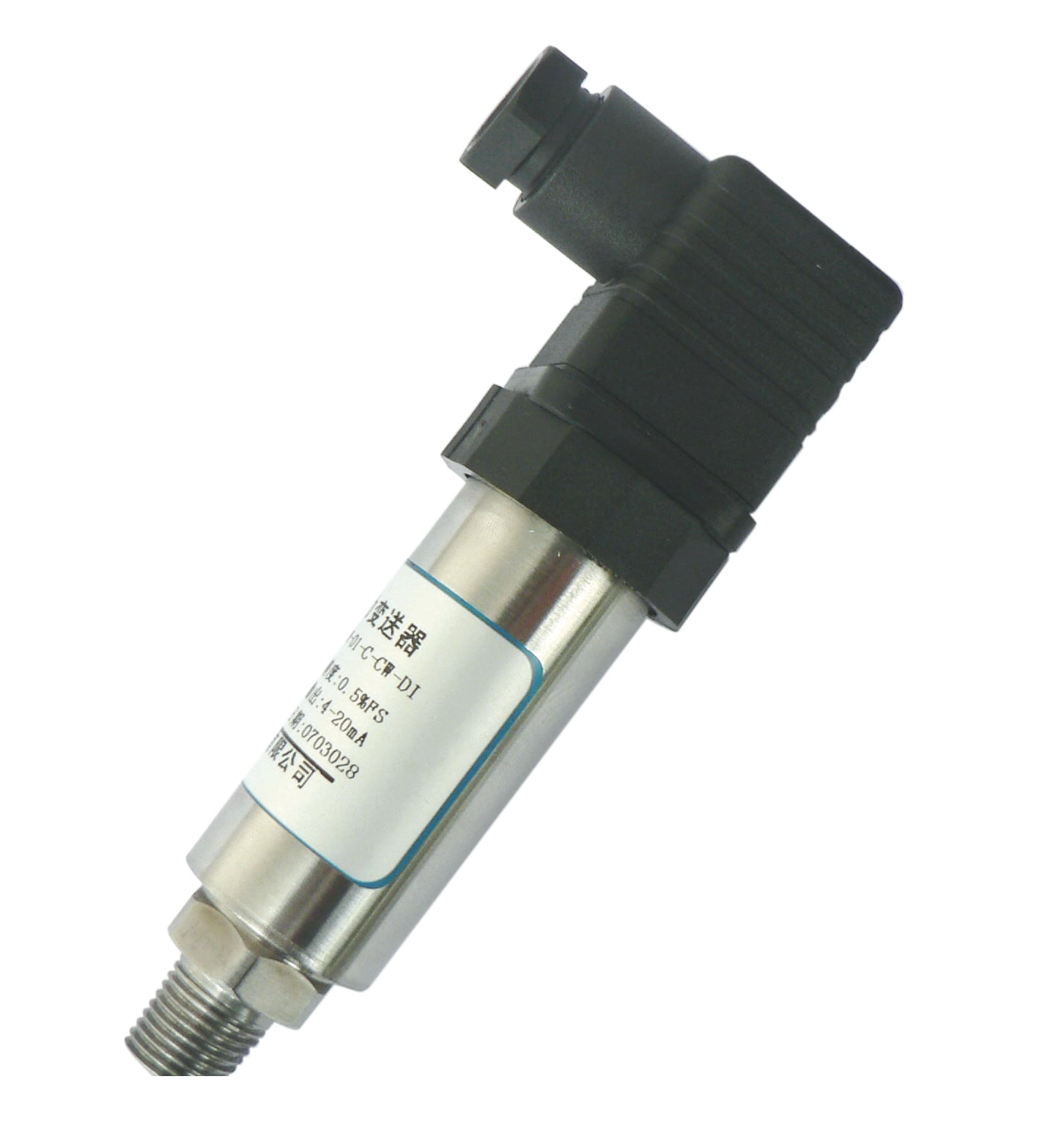
The demand for reliable pressure sensor technology continues to grow as industries face stricter environmental standards, safety regulations, and customer expectations for consistency. Industrial facilities recognize that investing in accurate pressure measurement systems reduces downtime, prevents equipment failure, and optimizes energy consumption. Whether in pharmaceutical manufacturing, petrochemical processing, or aerospace component testing, the pressure sensor remains an essential instrument that operators depend upon daily. This article explores the most critical industrial applications where high-accuracy pressure sensors deliver measurable business value and technical advantage.
Oil and Gas Extraction and Processing
Downhole and Pipeline Monitoring
The oil and gas industry relies heavily on the pressure sensor to monitor conditions deep within wellbores and across extensive pipeline networks. Downhole pressure sensors transmit real-time data from thousands of feet below the surface, enabling operators to track production rates, identify blockages, and optimize extraction efficiency. These pressure sensors must withstand extreme temperatures, corrosive fluids, and mechanical vibration—challenges that demand specialized materials and calibration protocols. Pipeline operators use a network of distributed pressure sensors to detect leaks, regulate flow rates, and maintain system integrity across geographically dispersed infrastructure. Accurate pressure sensor readings help prevent catastrophic failures and environmental incidents that could cost millions in remediation and lost production.
Refinery Process Control
Refineries depend on precise pressure sensor technology to manage hundreds of interdependent process streams simultaneously. Fractionation towers, reactors, and heat exchangers all require continuous pressure monitoring to maintain optimal separation and conversion chemistry. A pressure sensor installed at critical points helps operators detect deviations from target conditions before they escalate into safety hazards or off-spec product. The pressure sensor enables automated feedback control loops that adjust valve positions, pump speeds, and heat input in real time. Without reliable pressure sensors, refinery operations would face higher rates of equipment damage, product loss, and worker safety exposure.
Aerospace and Aviation Manufacturing
Hydraulic System Testing and Flight Control
Aircraft hydraulic systems operate under extreme pressure conditions, and the pressure sensor serves as the critical link between system performance and flight safety. Pressure sensor instrumentation on production test stands validates that hydraulic components meet specification before they ship to assemblers. During flight, aircraft rely on multiple redundant pressure sensors to monitor actuator response, detect anomalies, and ensure control surface movement remains within safe parameters. The pressure sensor in aircraft applications must meet exacting aerospace qualification standards, including vibration resistance, temperature stability, and repeatability across millions of cycles. Engineers select pressure sensors with proven flight histories and documented reliability records because the cost of failure extends far beyond equipment replacement.
Engine and Combustion Testing
Aerospace engine development and certification programs depend on high-accuracy pressure sensors to capture transient combustion dynamics and thrust chamber behavior. Test facilities install banks of pressure sensors throughout engine architecture to record pressure spikes, oscillations, and decay patterns that characterize performance under various flight regimes. The pressure sensor data feeds advanced analytics systems that validate structural integrity, predict component life, and optimize fuel injection timing. Certification authorities require detailed pressure sensor logs as evidence that engines meet safety and performance standards. The investment in precision pressure measurement infrastructure supports faster engine development cycles and reduces the risk of in-service failures.
Pharmaceutical and Food Processing Manufacturing
Sterile Processing and Cleanroom Control
Pharmaceutical manufacturing facilities operate under strict regulatory frameworks that mandate precise environmental control, and the pressure sensor plays a central role in cleanroom compliance. Pressure sensors monitor differential pressure across cleanroom barriers, filter stages, and production zones to ensure that contamination pathways remain blocked. Regulatory agencies such as the FDA require documented pressure sensor calibration records and real-time trending data to verify that facility design continues to function as validated. A pressure sensor failure or drift can invalidate batch records and trigger costly investigations or product recalls. Manufacturers implement pressure sensor redundancy and automated alarm systems to catch problems immediately and prevent regulatory violations.
Sterile Fluid Transfer and Containment
Pressure sensors mounted on sterile transfer lines monitor fluid movement during batch processing, mixing, and packaging operations. The pressure sensor detects blockages, validates pump performance, and ensures that product reaches its destination without excessive shear or temperature rise. In aseptic filling operations, pressure sensors verify that fill nozzles remain pressurized at the correct level to prevent contamination ingress during the critical moment when containers transition through the sterile field. Pressure sensor technology enables pharmaceutical manufacturers to automate and validate processes with confidence, reducing manual interventions and human error. Equipment maintenance teams use pressure sensor trending data to predict pump wear and schedule preventive replacement before failures impact production schedules.
Chemical and Process Industry Applications
Distillation and Separation Equipment
Distillation columns, reactors, and separation vessels in the chemical industry operate under precisely controlled pressure conditions that directly affect product yield and selectivity. The pressure sensor installed at the column top, bottom, and intermediate stages allows operators to monitor separation efficiency and detect flooding or weeping conditions. Chemical manufacturers use pressure sensor data to optimize reflux ratios, reboiler duty, and condenser cooling to maximize throughput while maintaining product purity. A pressure sensor anomaly might indicate column degradation, fouling, or impending equipment failure—early detection prevents unscheduled shutdowns and environmental incidents. Advanced pressure sensor networks provide the granularity needed to implement real-time process optimization in batch and continuous chemical operations.
Safety System Monitoring and Pressure Relief Validation
Process safety systems depend on pressure sensors to trigger emergency responses and validate that pressure relief devices function correctly. A pressure sensor upstream of a relief valve monitors approach pressure and confirms that the valve opens at its design setpoint when tested. Pressure sensors installed on downstream sides of relief systems verify that discharge flows reach safe destinations and that back-pressure remains within acceptable limits. Regulatory compliance requires documented pressure sensor data from routine relief device testing to demonstrate that safety systems remain reliable. The pressure sensor becomes a critical instrument in process safety management programs that protect workers, neighboring communities, and environmental assets.
FAQ
What accuracy level should I specify for pressure sensor selection in critical industrial applications?
Critical applications such as aerospace testing, pharmaceutical cleanroom control, and safety-instrumented systems typically demand pressure sensor accuracy in the range of 0.5% to 1.0% of full scale. The pressure sensor accuracy requirement depends on the consequences of measurement error and the process margin available for control. Many facilities specify pressure sensor accuracy significantly better than the minimum required to create a safety buffer and extend calibration intervals. Consult with your equipment supplier and process engineering team to balance accuracy investment against operational risk and total cost of ownership.
How often should pressure sensors be calibrated in industrial settings?
Calibration frequency for pressure sensors varies based on application severity, regulatory mandates, and historical performance data. Many industries establish pressure sensor calibration intervals of 12 to 24 months, with more critical applications justified at shorter intervals such as 6 months or even quarterly. Pharmaceutical and aerospace sectors often implement pressure sensor calibration programs with traceability to national standards and documented uncertainty budgets. A pressure sensor showing drift or erratic behavior should be removed from service and recalibrated before returning to operation. Implement a preventive maintenance program that tracks pressure sensor calibration dates and flags instruments approaching their next due date.
Can pressure sensors operate reliably in extreme temperature and corrosive environments?
Specialized pressure sensor designs accommodate extreme temperature and corrosive service conditions through material selection, remote diaphragm construction, and thermal compensation circuits. A pressure sensor rated for cryogenic service requires different elastomers and electronics than one designed for high-temperature steam applications. Pressure sensors exposed to corrosive fluids benefit from wetted materials such as stainless steel or exotic alloys that resist chemical attack. Manufacturers offer pressure sensor configurations with remote sensing lines and isolation diaphragms that protect the electronics from harsh process conditions. Consult the pressure sensor technical specifications and discuss your specific environment with the supplier to ensure long-term reliability.