
 EN
EN
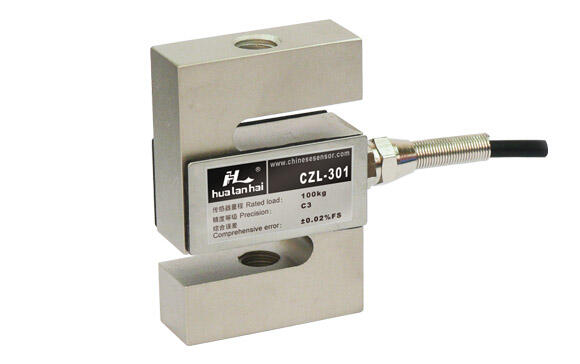
Uygulamanız için doğru kuvvet sensörünü seçmek uygulama birden fazla teknik ve işlemsel faktörün dikkatle değerlendirilmesini gerektirir. Bir kuvvet sensörü, mekanik kuvveti ölçülebilir elektrik sinyallerine dönüştüren kritik bileşendir; bu nedenle sistemin performansı ve güvenilirliği açısından doğru sensör seçimi büyük önem taşır. Endüstriyel otomasyon ekipmanları tasarlıyor, malzeme testleri gerçekleştiriyor veya hassas ölçüm sistemleri uyguluyor olmanız fark etmeksizin, kuvvet sensörü seçiminiz doğrudan doğruluk, dayanıklılık ve genel sistem etkinliğini etkiler. Temel değerlendirme kriterlerini anlayarak, projenizin başarısını tehlikeye atabilecek maliyetli hatalardan kaçınarak optimum performans elde edebilirsiniz.
Teknik Özellikler ve Performans Gereksinimleri
Ölçüm Aralığı ve Kapasite
Ölçüm aralığı, kuvvet sensörünüzün işlevsel sınırlarını tanımlayan temel spesifikasyondur. Bu parametre, minimum algılanabilir kuvveti ve sensörün zarar görmemesi veya performans kaybı yaşanmaması koşuluyla taşıyabileceği maksimum kuvvet kapasitesini kapsar. Sadece tipik çalışma kuvvetlerinizi değil, aynı zamanda sistem başlangıcında, acil durumlarda veya beklenmedik olaylar sırasında ortaya çıkabilecek olası aşırı yüklenme durumlarını da göz önünde bulundurun. Güvenilir bir çalışmayı sağlamak ve maliyetli sensör arızalarını önlemek için doğru seçilen bir kuvvet sensörü, beklenen maksimum kuvvetinizin en az %150'sini karşılayabilmelidir.
Dinamik aralık dikkate alınmaları, değişken kuvvet seviyelerini içeren uygulamalarda özellikle önem kazanır. Kuvvet sensörünüz, en küçük algılanabilir değişimlerden tam ölçek okumalara kadar tüm ölçüm spektrumu boyunca doğruluğunu korumalıdır. Bu gereksinim, sensör çözünürlüğünü, sinyal/gürültü oranını ve genel sistem performansını etkiler. Küçük kuvvetler için yüksek duyarlılık ve büyük kuvvetler için sağlam dayanıklılık gerektiren uygulamalar, genişletilmiş dinamik aralıklı veya çoklu ölçüm yapılandırmalı sensörlerden yararlanabilir.
Doğruluk ve Hassasiyet Standartları
Doğruluk, kuvvet sensörünüzün okumalarının uygulanan gerçek kuvvete ne kadar yakın olduğunu tanımlar; buna karşılık hassasiyet, aynı koşullar altında yapılan ölçümlerin tekrarlanabilirliğini gösterir. Bu özellikler, veri kalitesini ve sistem güvenilirliğini doğrudan etkiler. Endüstriyel uygulamalarda genellikle tam ölçek değerinin %0,1 ile %1’i arasında bir doğruluk seviyesi gerekir; ancak yüksek hassasiyetli ölçüm sistemleri daha sıkı toleranslar da talep edebilir. Bu iki parametre arasındaki farkı anlamak, belirtilen gereksinimlerinize uygun performansı sağlamakla birlikte gereğinden fazla spesifikasyon yapmayı önlemenize yardımcı olur.
Çevresel faktörler, zaman içinde doğruluk ve kesinliği önemli ölçüde etkiler. Sıcaklık değişimleri, nem değişiklikleri ve mekanik titreşimler, sensör performansını bozan ölçüm kaymalarına neden olabilir. Yüksek kaliteli kuvvet sensörü tasarımları, bu etkileri en aza indirmek için telafi mekanizmaları içerir; ancak çalışma ortamınızı anlamak, uzun vadeli performansı ve bakım gereksinimlerini tahmin etmenize yardımcı olur. Ölçüm bütünlüğünün hiçbir şekilde tehlikeye atılamadığı kritik uygulamalarda sensör değerlendirme yapılırken kalibrasyon aralıklarını ve kararlılık özelliklerini göz önünde bulundurun.
Çevresel ve Çalışma Koşulları
Sıcaklık Aralığı ve Termal Stabilite
Çalışma sıcaklığı aralığı, kuvvet sensörünüzün belirtilen performans seviyelerini koruduğu çevresel koşulları tanımlar. Standart sensörler genellikle -40°C ile +85°C arasında etkili bir şekilde çalışır; ancak özel tasarımlar, aşırı ortamlar için bu aralıkları genişletebilir. Sıcaklık katsayıları, sensör çıkışının sıcaklık değişimleriyle nasıl değiştiğini gösterir ve termal döngüye maruz kalan veya aşırı koşullarda çalışan uygulamalarda ölçüm doğruluğunu doğrudan etkiler.
Termal kararlılık, sıcaklık değişimleriyle birlikte meydana gelen sıfır kayması ve ölçek kayması özelliklerini kapsar. Sıfır kayması, hiçbir kuvvet uygulanmadığında temel okumayı etkilerken, ölçek kayması sensörün ölçüm aralığı boyunca hassasiyetini etkiler. Termal olarak zorlayıcı ortamlarda kullanılan uygulamalar, ölçüm bütünlüğünü çalışma sıcaklığı aralığı boyunca korumak için düşük sıcaklık katsayılı ve güçlü termal kompanzasyona sahip sensörler gerektirir.
Çevresel Tehlikelere Karşı Koruma
Çevre koruma gereksinimleri, kurulum yeri ve uygulama koşullarına göre önemli ölçüde değişir. Giriş Koruma (IP) derecelendirmeleri, sensörün toz ve nem girişi karşı direncini gösterir; IP65 ve IP67, yaygın endüstriyel standartlardır. Zorlu ortamlarda kirlenmeyi önlemek ve uzun vadeli güvenilirliği sağlamak için özel mühürleme, koruyucu kaplamalar veya hermetik ambalajlama gerekebilir.
Korozyona neden olan maddelere, temizlik maddelerine veya reaktif malzemelere maruz kalınan uygulamalarda kimyasal uyumluluk kritik hâle gelir. Kuvvet sensörü muhafazası, sızdırmazlık malzemeleri ve koruyucu kaplamalar, kimyasal etkilere karşı bozulmadan dirençli olmalı ve aynı zamanda ölçüm performansını korumalıdır. Paslanmaz çelik yapı, özel kaplamalar ve kimyasal olarak dayanıklı sızdırmazlık malzemeleri, standart sensörlerin erken başarısızlık gösterdiği zorlu ortamlarda artırılmış koruma sağlar.
Mekanik Tasarım ve Montaj Hususları
Fiziksel Boyutlar ve Montaj Seçenekleri
Fiziksel boyut kısıtlamaları, alan sınırlı uygulamalarda kuvvet sensörü seçimi üzerinde genellikle belirleyici bir etkiye sahiptir. Kompakt tasarımlar, ölçüm performansını korurken dar alanlara entegrasyonu sağlar; ancak boyut küçültülmesi kuvvet kapasitesini sınırlayabilir veya montaj zorluklarına neden olabilir. Kurulum uygunluğunu ve mekanik entegrasyon gereksinimlerini değerlendirirken hem aktif algılama alanını hem de sensörün toplam boyutlarını göz önünde bulundurun.
Montaj konfigürasyonu, sensör performansını ve montaj karmaşıklığını önemli ölçüde etkiler. Dişli montaj, iyi kuvvet iletim özelliklerine sahip güvenilir bir sabitleme sağlarken, flanşlı tasarımlar yüksek kapasiteli uygulamalar için artırılmış stabilite sunar. Bazı kuvvet sensörü tasarımlar, çeşitli montaj gereksinimlerini ve mekanik arayüzleri karşılayabilmek için birden fazla montaj seçeneği içerir. Doğru montaj, kuvvetin optimal şekilde iletilmesini sağlarken ölçüm doğruluğunu tehlikeye atabilecek istemsiz yan yüklerin oluşumunu önler.
Yük Uygulaması ve Kuvvet İletimi
Kuvvet uygulama yöntemi, ölçüm kalitesini ve sensör ömrünü doğrudan etkiler. İdeal kuvvet iletimi, eğilme momentleri, burulma veya yanal kuvvetler gibi ölçüm hatalarına veya erken arızaya neden olabilecek unsurlar olmadan saf eksenel veya basma yüklemesi içerir. Doğru sabitleme ve hizalama, temiz bir kuvvet iletimini sağlarken sensörü zararlı yüklenme koşullarından korur.
Yanal yük hassasiyeti, farklı kuvvet sensörü tasarımları arasında değişir ve mükemmel hizalama sağlanamadığında ölçüm doğruluğunu önemli ölçüde etkiler. Uygulamanızın muhtemel hizalama hatası, termal genleşme etkileri ve mekanik toleransları konusundaki bilgi, uygun yan yük reddetme özelliklerine sahip sensörlerin seçilmesini sağlar. Bazı uygulamalar, ölçüm bütünlüğünü korurken istenmeyen kuvvet bileşenlerini en aza indirmek için evrensel mafsallar veya esnek bağlantı elemanları gerektirebilir.
Elektriksel Arayüz ve İşaret İşleme
Çıkış İşareti Özellikleri
Çıkış sinyali türü, arayüz gereksinimlerini ve sistem uyumluluğunu belirler. Analog gerilim çıkışları, çoğu veri toplama sistemiyle basit bir şekilde entegre edilebilirken; akım döngüsü çıkışları, elektriksel olarak zorlu ortamlarda üstün gürültü direnci sağlar. Dijital arayüzler, modern kontrol sistemleriyle doğrudan iletişim kurmayı mümkün kılar ve uzaktan yapılandırma ile tanılamaya yönelik gelişmiş işlevsellik sunar.
Sinyal koşullandırma gereksinimleri, hem sensör çıkış özelliklerine hem de sistem giriş spesifikasyonlarına bağlıdır. Çok sayıda kuvvet sensörü uygulaması, ölçüm performansını optimize etmek amacıyla kazanç artırma, filtreleme veya doğrusallaştırma gibi işlemlerden yararlanır. Entegre sinyal koşullandırma, sistem tasarımını basitleştirirken; harici koşullandırma, özel gereksinimler için daha fazla esneklik sağlar. Farklı sinyal işleme yaklaşımlarını değerlendirirken hem başlangıçta kurulum karmaşıklığını hem de uzun vadeli bakım gereksinimlerini göz önünde bulundurun.
Güç Kaynağı Gereksinimi
Güç kaynağı özellikleri, hem sistem tasarımı hem de işletme maliyetlerini etkiler. Düşük güç tüketimli tasarımlar, taşınabilir uygulamalarda pil ömrünü uzatırken yoğun yerleşimli kurulumlarda ısı üretimi miktarını azaltır. Besleme gerilimi aralıkları, mevcut güç altyapısıyla uyumluluğu belirler ve elektriksel olarak zorlu ortamlarda gürültü bağışıklığını etkileyebilir.
Uyarma kararlılığı, ölçüm doğruluğunu ve uzun vadeli performansı doğrudan etkiler. Yüksek kaliteli kuvvet sensörü kurulumları, sürüklenmeyi en aza indirmek ve ölçüm kararlılığını artırmak amacıyla genellikle regüle edilmiş uyarma kaynakları içerir. Bazı sensör tasarımları, besleme değişkenliklerine karşı duyarlılığı azaltmak amacıyla iç gerilim regülasyonu içerir; bu da sistemin tasarımını basitleştirirken, hassas ölçümler için gereken performans standartlarını korur.
Ekonomik Faktörler ve Uzun Vadeli Değer
Başlangıç Maliyeti ile Performans Arasındaki Denge
Başlangıç satın alma fiyatı, kuvvet sensörü çözümleri seçilirken toplam sahiplik maliyetinin yalnızca bir bileşenini temsil eder. Daha yüksek performanslı sensörler, artmış doğruluk, uzatılmış çalışma ömrü ve azaltılmış bakım gereksinimleri yoluyla premium fiyatlandırmayı hak eder. Bütçe kısıtlamaları, uygulama spesifikasyonlarını karşılamak için performans gereksinimleriyle dengelenmelidir; böylece optimal değer elde edilir.
Performans özellikleri, gereksiz maliyetleri önlemek amacıyla gerçek uygulama gereksinimleriyle uyumlu olmalıdır. Aşırı spesifikasyon, karşılık gelen avantajlar olmadan daha yüksek başlangıç maliyetlerine yol açarken, yetersiz spesifikasyon ise düşük performansa veya erken arızaya neden olur. Ölçüm gereksinimlerinin, çevresel koşulların ve beklenen kullanım ömrünün dikkatli analizi, maliyet ile performansı etkili bir şekilde dengeleyen optimal sensör seçimi sağlar.
Bakım ve Kalibrasyon Gereksinimleri
Bakım gereksinimleri, uzun vadeli işletme maliyetlerini ve sistem kullanılabilirliğini önemli ölçüde etkiler. Dayanıklı yapı, çevresel koruma ve kararlı performans özellikleri sayesinde sağlam kuvvet sensörü tasarımları, bakım ihtiyaçlarını en aza indirir. Önerilen kalibrasyon aralıklarını ve bakım prosedürlerini anlamak, sürekli maliyetleri tahmin etmeyi ve önleyici bakım programları planlamayı kolaylaştırır.
Kalibrasyon gereksinimleri, uygulamanın kritikliği ve düzenleyici uyumluluk ihtiyaçlarına göre değişir. Bazı uygulamalar, ölçüm doğruluğunu korumak için izlenebilir kalibrasyon sertifikaları ve düzenli yeniden kalibrasyon gerektirirken, diğerleri daha az sık kalibrasyon döngüleriyle etkili bir şekilde çalışabilir. Farklı sensör seçeneklerini ve bunlara ilişkin bakım gereksinimlerini değerlendirirken hem kalibrasyon maliyetlerini hem de sistem kesintisini göz önünde bulundurun.
SSS
Kuvvet sensörü özelliklerinde doğruluk ile hassasiyet arasındaki fark nedir?
Doğruluk, bir kuvvet sensörünün okumasının uygulanan gerçek kuvvet değerine ne kadar yakın olduğunu ifade eder; genellikle tam ölçek çıkışının yüzdesi olarak belirtilir. Hassasiyet, aynı koşullar altında yapılan ölçümlerin tekrarlanabilirliğini gösterir ve aynı kuvvet birden fazla kez uygulandığında okumaların ne kadar tutarlı olduğunu ortaya koyar. Bir sensör, sürekli aynı yanlış değeri okursa hassas olabilir ancak doğru olmayabilir; buna karşılık doğru bir sensör, okumaların ortalamasının gerçek kuvvet değerine yakın olmasını sağlar.
Çevresel koşullar kuvvet sensörü performansını nasıl etkiler
Çevresel faktörler, kuvvet sensörünün çalışmasını birkaç mekanizma aracılığıyla önemli ölçüde etkiler. Sıcaklık değişimleri termal genleşmeye neden olur ve malzeme özelliklerini değiştirir; bu da sıfır noktası kayması ve hassasiyet değişikliklerine yol açar. Nem ve nem birikimi, elektriksel özellikleri etkileyebilir ve uygun mühürleme sağlanmazsa korozyona neden olabilir. Titreşim ve şok, ölçüm gürültüsüne neden olabilir veya mekanik hasara yol açabilir. Uygun çevresel derecelendirmeye ve telafi özelliklerine sahip sensörlerin seçilmesi, zorlu koşullarda güvenilir performans sağlamayı garanti eder.
Doğru kuvvet ölçümleri için hangi montaj hususları kritiktir?
Doğru montaj, kuvvet sensörünün doğru ölçüm yapabilmesi için hayati öneme sahiptir ve birkaç temel faktörü içerir. Sensör, hata veya hasara neden olabilecek yan yükleri, eğilme momentlerini ve burulma gerilmelerini en aza indirgeyerek saf eksenel veya basınç kuvvetlerini alacak şekilde hizalanmalıdır. Montaj yüzeyleri, kuvvetin eşit dağılmasını sağlamak için düz, paralel ve uygun şekilde işlenmiş olmalıdır. Yeterli destek yapıları, okumaları etkileyebilecek istemsiz şekil değişimlerini önler. Isıl genleşme ve mekanik toleranslar göz önünde bulundurularak çalışma sıcaklığı aralığı boyunca doğru hizalamanın korunması sağlanır.
Uygulamam için uygun ölçüm aralığını nasıl belirlerim
Doğru ölçüm aralığının seçilmesi, normal işletme kuvvetleri ile olası aşırı yüklenme durumlarının analiz edilmesini gerektirir. Sensör, tipik kuvvetleri en iyi performans için genellikle tam ölçek değerinin %10 ila %90'ı arasında yer alan optimal doğruluk aralığında karşılayabilmelidir. Başlangıç sırasında, acil duruşlarda veya süreç varyasyonlarında ortaya çıkabilecek ve normal seviyeleri aşan tepe kuvvetleri dikkate alınmalıdır. Beklenen maksimum kuvvetlerin en az %50 üzerinde bir güvenlik payı, hasarı önler ve güvenilir çalışmayı sağlar. Kuvvet seviyeleri oldukça değişken olan uygulamalarda, tüm işletme spektrumu boyunca doğruluğu korumak amacıyla genişletilmiş dinamik aralıklı veya çoklu ölçüm yapılarına sahip sensörler tercih edilebilir.