
All Categories

Get a Free Quote

Our representative will contact you soon.
Email
Name
Company Name
WhatsApp
Message
0/1000

How Do You Maintain a Portable Axle Scale for Field Use?

2026-05-20 12:30:00
How Do You Maintain a Portable Axle Scale for Field Use?

Field operations demand reliable weighing solutions that can withstand harsh environmental conditions while delivering consistent accuracy. A portable axle scale serves as a critical tool for various industries, from transportation and logistics to agriculture and construction. However, maintaining optimal performance requires a systematic approach to care and upkeep that extends far beyond basic cleaning protocols.

The longevity and accuracy of your weighing equipment directly impact operational efficiency and compliance with industry regulations. Understanding proper maintenance techniques ensures that your investment continues to deliver precise measurements while minimizing unexpected downtime. Field conditions present unique challenges that require specialized maintenance strategies tailored to mobile weighing applications.

Professional maintenance protocols encompass multiple aspects, from routine inspections to environmental protection measures. The complexity of modern portable weighing systems demands comprehensive knowledge of both mechanical and electronic components. This article explores proven maintenance strategies that maximize the operational lifespan of your field weighing equipment while maintaining measurement integrity.

Essential Daily Maintenance Procedures

Pre-Operation Inspection Protocols

Beginning each operational day with a thorough inspection prevents minor issues from escalating into costly repairs. Visual examination should focus on the structural integrity of the portable axle scale platform, checking for cracks, warping, or visible damage to the weighing surface. Load cells require particular attention, as these sensitive components are susceptible to moisture infiltration and mechanical stress.

Electronic connections demand careful scrutiny during daily inspections. Cable assemblies should be examined for signs of wear, corrosion, or damage that could compromise signal transmission. Junction boxes and connector housings must remain sealed against environmental contaminants. Any loose connections or corroded terminals should be addressed immediately to prevent accuracy degradation.

The indicator display and control systems require functional testing before commencing weighing operations. Verify that all display segments illuminate properly and that calibration values remain within acceptable parameters. System diagnostics should be performed according to manufacturer specifications to identify potential issues before they affect measurement accuracy.

Surface Cleaning and Debris Removal

Maintaining a clean weighing surface is fundamental to accurate measurements and equipment longevity. Accumulated debris, mud, or ice can interfere with load distribution and create uneven loading conditions. The cleaning process should begin with removal of loose materials using appropriate tools that won't damage the scale surface.

Water-based cleaning solutions are generally preferred for routine maintenance, though specific cleaning agents may be required for stubborn contaminants. Avoid using harsh chemicals or abrasive materials that could compromise the protective coatings on your portable axle scale. High-pressure washing should be used judiciously, ensuring that water doesn't penetrate sealed components or electrical connections.

Complete drying of all surfaces is essential before storage or transport. Residual moisture can lead to corrosion, electrical issues, and premature component failure. Pay special attention to recessed areas and mounting points where water typically accumulates after cleaning operations.

Load Cell Protection and Calibration

Environmental Shielding Strategies

Load cells represent the most critical and vulnerable components in any weighing system. These precision instruments require protection from moisture, temperature extremes, and mechanical shock. Protective housings should be inspected regularly for seal integrity and replaced when signs of deterioration appear.

Temperature compensation mechanisms must be verified periodically to ensure accurate measurements across varying environmental conditions. Extreme temperature fluctuations can affect load cell performance and measurement accuracy. Consider using insulation covers or thermal shields when operating in extreme weather conditions to minimize temperature-related drift.

Mechanical protection involves ensuring that load cells are properly supported and not subjected to side loads or twisting forces. The portable axle scale mounting system should distribute loads evenly across all load cells to prevent overloading individual components. Regular inspection of mounting hardware ensures continued structural integrity.

Calibration Frequency and Procedures

Calibration requirements vary based on usage intensity, environmental conditions, and accuracy demands. Most field applications benefit from monthly calibration verification using certified test weights. However, critical applications may require more frequent calibration checks to maintain compliance with industry standards.

The calibration process should follow documented procedures using traceable reference standards. Environmental conditions during calibration significantly impact accuracy, so calibration should be performed under stable temperature and wind conditions when possible. Document all calibration activities for quality assurance and regulatory compliance purposes.

Drift monitoring helps identify gradual changes in system accuracy that may indicate component degradation or environmental effects. Establishing baseline measurements allows for trend analysis and predictive maintenance scheduling. Sudden accuracy changes warrant immediate investigation to identify root causes and prevent further degradation.

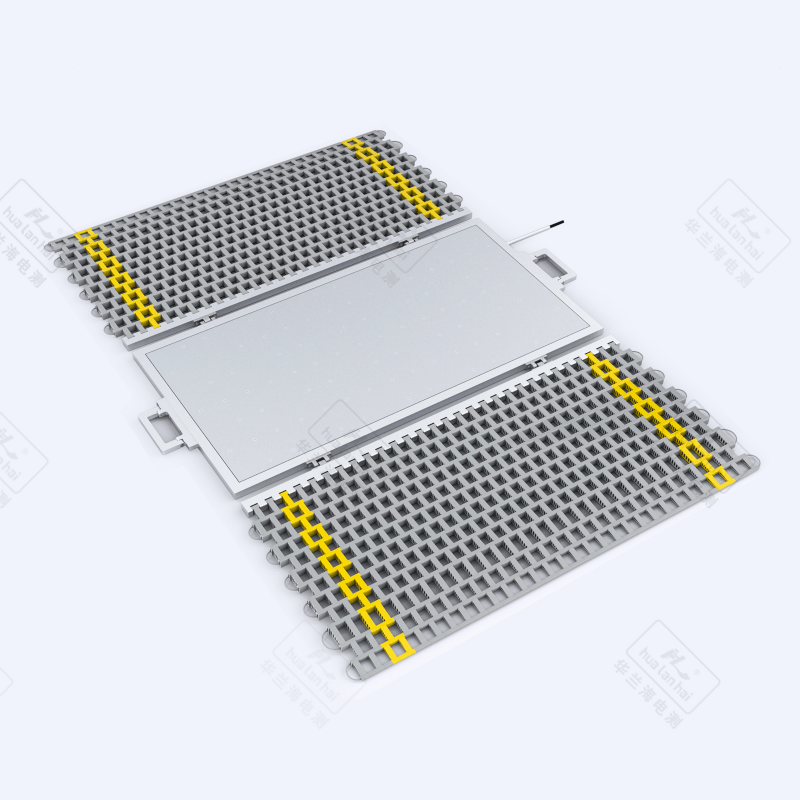
Portable Weighing Instrument BX101H-20t

Storage and Transportation Best Practices

Proper Storage Conditions

Long-term storage requires careful attention to environmental conditions that could affect your portable axle scale. Climate-controlled environments provide optimal protection against temperature extremes, humidity, and corrosive atmospheres. When climate control isn't available, protective covers and desiccant materials help maintain acceptable storage conditions.

Storage position affects component stress and potential damage. Scales should be stored in their designed orientation with proper support to prevent structural deformation. Avoid stacking heavy objects on stored equipment or placing weight on sensitive components like load cells or display units.

Battery maintenance during storage involves periodic charging cycles to prevent deep discharge conditions that can permanently damage rechargeable cells. Electronic components may require periodic operation to maintain optimal performance characteristics. Follow manufacturer recommendations for storage procedures specific to your equipment model.

Transportation Safety Measures

Secure transportation prevents mechanical damage that could compromise weighing accuracy. Purpose-built transport cases or trailers provide optimal protection against road shock and vibration. Ensure that all components are properly secured and cannot shift during transport operations.

Route planning should consider road conditions that could subject equipment to excessive vibration or impact loading. Avoid routes with severe potholes, construction zones, or other hazards that could damage sensitive weighing components. Gradual acceleration and deceleration minimize stress on precision instruments.

Post-transport inspection should verify that no damage occurred during relocation. Check all connections, verify calibration accuracy, and perform functional tests before resuming weighing operations. Document any issues discovered during post-transport inspection for future reference and potential warranty claims.

Electronic System Maintenance

Battery Care and Power Management

Battery-powered portable axle scale systems require systematic power management to ensure reliable operation. Modern lithium-ion batteries offer excellent performance but demand specific charging protocols to maximize service life. Avoid deep discharge conditions that can permanently reduce battery capacity and overall system runtime.

Charging procedures should follow manufacturer specifications regarding charge rates, temperature limits, and termination criteria. Overcharging can damage battery cells and create safety hazards. Use only approved charging equipment designed for your specific battery type and capacity requirements.

Power consumption monitoring helps optimize operational efficiency and identify potential system issues. Excessive power draw may indicate component malfunctions or configuration problems that require attention. Regular battery capacity testing ensures that power reserves meet operational demands.

Software Updates and Data Management

Modern weighing systems incorporate sophisticated software that requires periodic updates to maintain optimal performance and security. Firmware updates often include bug fixes, performance improvements, and new features that enhance operational capabilities. Establish procedures for testing updates before implementing them in critical applications.

Data backup procedures protect valuable measurement records and configuration settings. Regular data exports ensure that historical information remains accessible even if hardware failures occur. Consider cloud-based backup solutions for automatic data protection and remote access capabilities.

Configuration management involves documenting all system settings and customizations to facilitate rapid restoration after maintenance activities. Standard configuration files can be stored and applied to replacement equipment to minimize setup time and ensure consistent operation across multiple scales.

Troubleshooting Common Field Issues

Accuracy Problems and Solutions

Measurement accuracy issues in field environments often stem from environmental factors rather than equipment malfunctions. Wind loading can cause fluctuating readings, particularly on lightweight vehicles. Windscreens or temporary shelters may be necessary during adverse weather conditions to maintain measurement stability.

Ground conditions significantly impact portable axle scale performance. Soft or uneven surfaces can cause binding or uneven loading that affects accuracy. Site preparation may require leveling pads or ground reinforcement to provide stable mounting conditions. Regular verification of level conditions ensures consistent measurement quality.

Temperature effects become more pronounced in field applications where equipment is exposed to direct sunlight or extreme weather conditions. Thermal expansion of scale components can affect calibration accuracy. Allow equipment to stabilize at ambient temperature before performing critical measurements to minimize thermal errors.

Electrical System Diagnostics

Electrical problems in portable weighing systems often manifest as erratic readings, display malfunctions, or complete system failures. Systematic troubleshooting begins with verification of power supply conditions and connection integrity. Low battery voltage can cause unstable operation that mimics more serious problems.

Signal cable issues represent common failure points in mobile applications. Cable flexibility requirements and repeated bending can cause conductor failures that interrupt communication between load cells and indicators. Cable continuity testing helps identify intermittent connections that could cause measurement problems.

Ground loop problems can occur when multiple electrical paths exist between system components. These conditions can cause measurement instability and noise that degrades accuracy. Proper grounding techniques and cable shielding help eliminate electrical interference in challenging field environments.

FAQ

How often should I calibrate my portable axle scale in field conditions

Calibration frequency depends on usage intensity and accuracy requirements, but monthly verification using certified test weights is recommended for most field applications. High-use environments or critical applications may require weekly or even daily calibration checks. Environmental factors such as temperature extremes or contamination exposure may necessitate more frequent calibration to maintain accuracy standards.

What are the most common causes of portable axle scale failures in the field

Moisture infiltration ranks as the leading cause of portable axle scale failures, followed by cable damage from repeated flexing and environmental exposure. Overloading beyond rated capacity can permanently damage load cells, while improper storage or transportation can cause structural damage. Regular maintenance and adherence to operating specifications prevent most common failure modes.

Can I perform calibration myself or do I need professional service

Basic calibration verification can be performed by trained operators using certified reference weights, but comprehensive calibration adjustment typically requires professional service with specialized equipment. Many regulations require certified calibration for legal trade applications. Operators can perform routine accuracy checks, but professional calibration ensures traceability and compliance with industry standards.

What storage conditions are ideal for portable axle scale systems

Indoor storage in climate-controlled environments between 50-80°F with low humidity provides optimal conditions for portable weighing equipment. When indoor storage isn't available, weatherproof covers and desiccant materials help protect against moisture and temperature extremes. Avoid storage in direct sunlight, areas with corrosive atmospheres, or locations subject to vibration or mechanical stress.