
 EN
EN
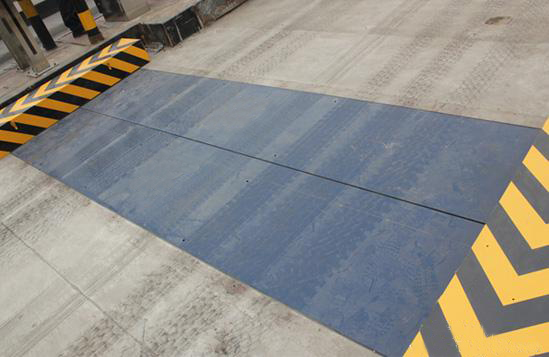
Accurate axle weight detection is fundamental to modern transportation, logistics, and industrial operations. A bending plate represents one of the most reliable and precise technologies for measuring axle loads in real-time, ensuring compliance with weight regulations, preventing vehicle damage, and optimizing fleet performance. Unlike traditional weigh stations that require vehicles to stop, bending plate systems enable dynamic weighing, capturing critical load data as vehicles move across inspection points. This technology has become indispensable for highway safety, port operations, and industrial facilities where precise load monitoring directly impacts operational efficiency and regulatory compliance.
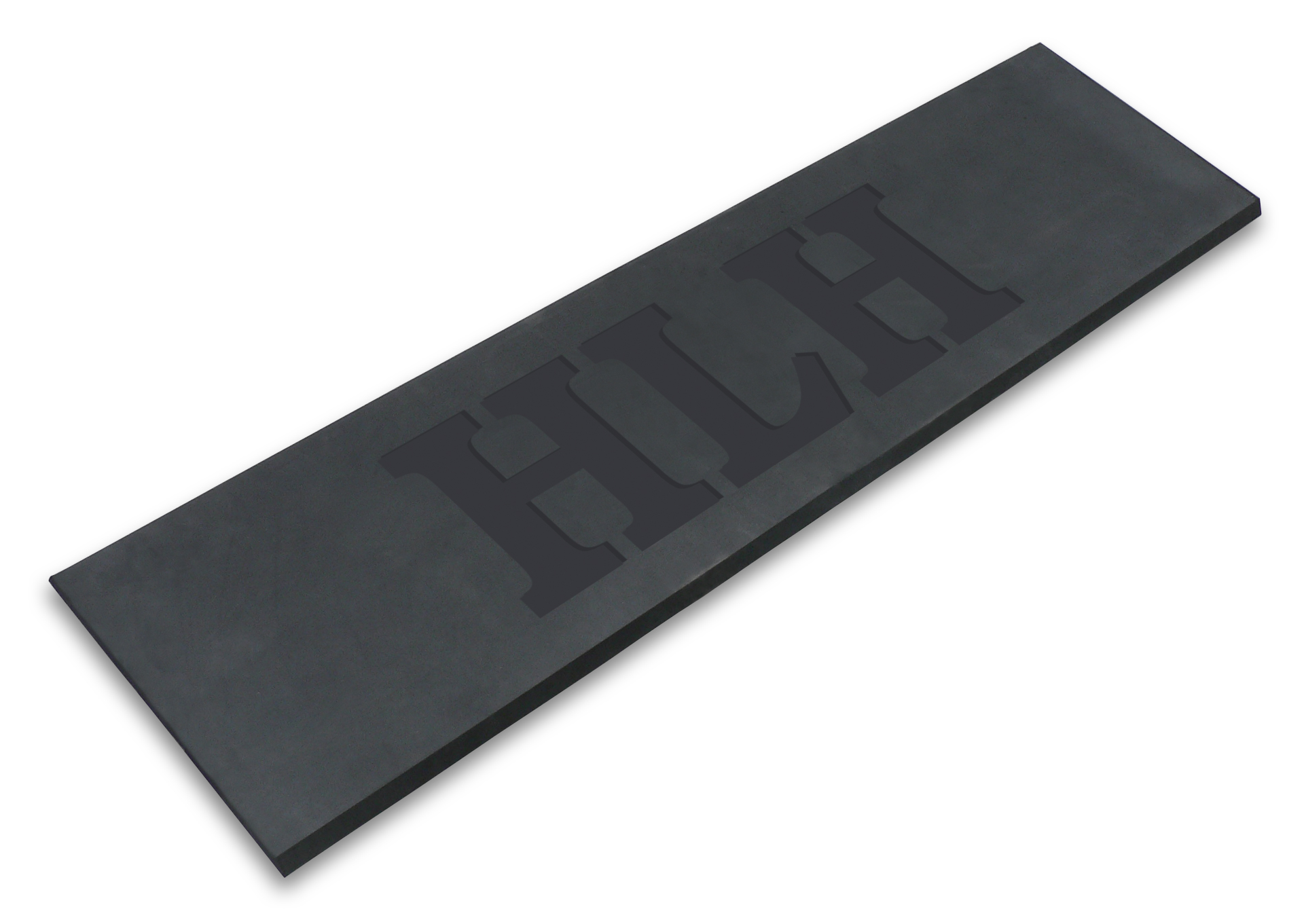
The bending plate achieves its measurement precision through a carefully engineered mechanical and electronic architecture that detects minute deflections under load. When a vehicle passes over a bending plate installation, the structural element bends under the weight of the axle, and embedded sensors capture this deformation with extraordinary accuracy. The signal processing system then converts these physical measurements into precise weight readings, displayed instantly to operators and integrated into data management systems. This approach eliminates the need for costly infrastructure modifications and provides long-term cost advantages for organizations managing vehicle fleets or enforcing weight regulations.
How Bending Plate Technology Achieves Measurement Precision
Mechanical Design and Load Detection Principles
The mechanical foundation of a bending plate relies on precise structural engineering to create predictable, measurable deflection patterns. The bending plate is typically constructed from high-grade steel or aluminum alloys engineered to flex under load while remaining within elastic deformation limits. When an axle load is applied, the bending plate deflects proportionally to the weight, and this micro-scale movement is captured by strategically positioned strain gauge sensors. The relationship between deflection and weight is calibrated during manufacturing, ensuring that every bending plate system delivers consistent and accurate readings across its operational range. This mechanical simplicity, combined with engineering precision, makes the bending plate one of the most durable and reliable weight measurement systems available for industrial environments.
Sensor Integration and Signal Processing
Modern bending plate technology integrates advanced sensor systems that work in harmony with the mechanical structure to translate physical deflection into actionable data. Strain gauge sensors embedded within the bending plate detect minute changes in material stress and generate electrical signals proportional to the applied load. These analog signals are processed by sophisticated electronics that filter noise, apply calibration corrections, and convert measurements into digital weight data. The bending plate system communicates with weighing indicators, vehicle management systems, and compliance databases in real-time, enabling immediate decision-making. This integration of mechanical precision with electronic sophistication allows a bending plate to deliver accuracy within plus or minus one percent of actual weight, far exceeding the requirements of most transportation and industrial applications.
Industrial Applications and Operational Benefits
Transportation and Regulatory Compliance
Transportation authorities worldwide rely on bending plate technology to enforce weight regulations and protect road infrastructure. Overloaded vehicles cause accelerated pavement deterioration, structural damage to bridges, and increased accident risk. A bending plate installed at highway checkpoints or port entry gates provides rapid, non-intrusive weighing that identifies violations without stopping traffic flow. Fleet operators use bending plate data to monitor individual vehicle loads and prevent overloading before vehicles reach enforcement points, reducing penalties and operational disruptions. This preventive capability makes bending plate systems valuable not just for regulatory agencies, but for carriers, logistics companies, and industrial facilities managing their own vehicle fleets.
Dynamic Weighing and Operational Efficiency
Unlike static weigh scales that require vehicles to stop completely, a bending plate performs dynamic weighing as vehicles move at operational speeds, dramatically improving throughput and reducing operational delays. In high-volume operations such as port terminals, recycling facilities, or quarries, the time savings from bending plate dynamic weighing translate directly into reduced queue times and increased processing capacity. The bending plate data enables dispatch optimization by helping managers balance loads across vehicle fleets and identify underutilized capacity. Continuous bending plate monitoring also reveals weight distribution patterns that inform maintenance schedules and extend vehicle service life by preventing structural stress from asymmetric loading.
Technical Specifications and Installation Considerations
Calibration, Accuracy Standards, and Performance Specifications
Every bending plate system must undergo rigorous calibration and testing to meet international weight measurement standards before deployment. The bending plate calibration process involves applying known reference weights and adjusting sensor sensitivity to ensure repeatable, accurate readings across the full operational range. Most commercial bending plate installations achieve accuracy of plus or minus one to two percent, with high-specification systems achieving even greater precision for demanding applications. The bending plate electronics include temperature compensation systems that maintain accuracy across seasonal and environmental variations, critical for outdoor installations exposed to extreme weather. Regular verification and recalibration of the bending plate system ensures long-term reliability and compliance with regulatory measurement standards.
Installation, Integration, and Environmental Factors
Successful bending plate deployment requires careful site selection, proper surface preparation, and integration with existing facility infrastructure. The bending plate must be installed on a level, stable foundation with appropriate drainage to prevent water accumulation that could interfere with sensor performance. Integration of the bending plate with facility management systems, traffic control equipment, and data logging platforms requires coordination between weighing specialists, software engineers, and site operators. Environmental factors including temperature extremes, moisture, salt spray in coastal areas, and vibration from surrounding equipment can affect bending plate performance if not properly accounted for during installation. Advanced bending plate systems incorporate environmental sensors and protective enclosures that maintain measurement accuracy and extend service life in challenging industrial environments.
FAQ
What is the typical service life of a bending plate system?
A well-maintained bending plate system typically operates reliably for ten to fifteen years or longer, depending on traffic volume, environmental exposure, and maintenance practices. The mechanical components of a bending plate show minimal wear because the deflection remains within elastic limits, and the electronics are protected by robust enclosures. Regular calibration checks and sensor verification maintain bending plate accuracy throughout its service life, and replacement of protective elements such as cable boots or weatherseals can extend operational longevity indefinitely.
Can a bending plate detect fraudulent weight reporting or data manipulation?
Modern bending plate systems incorporate security features including encrypted data transmission, timestamped records, and tamper detection that prevent unauthorized modification of weight data. The bending plate continuously monitors sensor signals and alerts operators to suspicious patterns or sudden calibration deviations that suggest tampering. Integration of bending plate data with vehicle identification systems and trip records creates audit trails that regulatory agencies can review to confirm compliance and identify fraudulent practices.
How does a bending plate compare to alternative weight measurement technologies?
A bending plate offers superior advantages over static scales for dynamic weighing applications, with faster throughput, lower installation costs, and minimal site disruption. Compared to compression load cells, the bending plate provides improved accuracy and greater environmental protection for outdoor use. bending plate technology excels in high-volume operations where continuous monitoring and rapid data reporting drive operational efficiency, making it the preferred choice for modern transportation and industrial facilities.